


Azioni sul documento


Flora
Querco-Carpineto Planiziale
Costituisce la vegetazione potenziale di parte dell’alta e della bassa pianura friulana, ad eccezione dell’area dei Magredi, delle zone riparali e di quelle impaludate. Sono formati da un consorzio di farnia, olmo campestre e frassino ossifillo a cui si affiancano la robinia ed il castagno nelle zone più a nord; nel piano dominato abbonda il carpino bianco, l’acero campestre, raramente il pioppo tremulo; nel piano arbustivo oltre a Prunus spinosa, Viburnum opulus, Corylus avellana, Crataegus levigata, Cornus mas, si possono incontrare Staphylea pinnata, Prunus padus, e Salix cinerea nei suoli più ricchi d’acqua.
Querco-Carpineto Collinare
Spostandosi dalla pianura verso le colline l’altra formazione vegetale potenziale, a volte ben riconoscibile nelle zone meno disturbate, è a prevalenza di farnia e carpino bianco, mentre man mano che si sale lungo i versanti, alla farnia si accosta il rovere che ancora più in alto si associa al castagno. Altre specie presenti sono il ciliegio, il frassino maggiore, l’acero campestre, sporadico il carpino nero; nello strato arbustivo frequenti il Corylus avellana, Crataegus monogyna, Cornus mas, Cornus sanguinea, Viburnum opulus, Ruscus aculeatus, Euonymus europaeus; nello strato erbaceo si apprezzano le precoci fioriture di alcune geofite ( specialmente Anemone nemorosa, Crocus napolitanus ).
Farnia
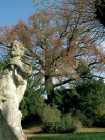 E’
una quercia dal portamento imponente e maestoso, la farnia è da sempre
considerata simbolo di forza, oggetto di venerazione è culto da parte
di greci, romani, celti e popoli nordici. La farnia era il principale
componente dei boschi che nel passato ricoprivano la pianura friulana,
ricordata da Strabene (storico e geografo del I secolo a.C.) nella
descrizione della Stiva lupanica (= foresta covo di lupi). Questa
specie, associata al carpino bianco, al frassino ossifillo, all’olmo
campestre, all’acero campestre e ad altre specie minori, formava estesi
boschi che, già sotto la dominazione romana, furono progressivamente
tagliati per creare spazio all’agricoltura. Nel nostro territorio si
possono rinvenire individui isolati di quercia, posti ai confini dei
campi, lungo le siepi, nei parchi, a ricordo e testimonianza
dell’antica presenza ben più massiccia. La famia (Quercus robur) può
raggiungere dimensioni notevoli, fino a 40 metri di altezza. Il tronco
è robusto e i rami formano una chioma molto ampia e massiccia. La
corteccia è grigiobruna, solcata e si fessura con l’età. Può
raggiungere diversi secoli di vita. Le foglie sono lobate e alla base,
vicino al picciolo, presentano due caratteristiche “orecchiette”. I
fiori maschili e femminili, poco appariscenti, compaiono in primavera
sulla stessa pianta (monoica). I frutti sono le note ghiande, portate a
gruppi di duecinque su lunghi peduncoli di forma ovale allungata. La
farnia predilige terreni freschi, profondi e fertili, con buona
disponibilità di acqua.Nel
comune di Pagnacco un notevole esemplare di farnia, catalogato come
grande albero del Friuli Venezia Giulia, è sito nella villacastello di
Fontanabona, antico borgo di origine medioevale. Conta più di duecento
anni, è alta 23 metri e possiede una circonferenza, misurata a 1,30 m
da terra, superiore ai 5 metri.
E’
una quercia dal portamento imponente e maestoso, la farnia è da sempre
considerata simbolo di forza, oggetto di venerazione è culto da parte
di greci, romani, celti e popoli nordici. La farnia era il principale
componente dei boschi che nel passato ricoprivano la pianura friulana,
ricordata da Strabene (storico e geografo del I secolo a.C.) nella
descrizione della Stiva lupanica (= foresta covo di lupi). Questa
specie, associata al carpino bianco, al frassino ossifillo, all’olmo
campestre, all’acero campestre e ad altre specie minori, formava estesi
boschi che, già sotto la dominazione romana, furono progressivamente
tagliati per creare spazio all’agricoltura. Nel nostro territorio si
possono rinvenire individui isolati di quercia, posti ai confini dei
campi, lungo le siepi, nei parchi, a ricordo e testimonianza
dell’antica presenza ben più massiccia. La famia (Quercus robur) può
raggiungere dimensioni notevoli, fino a 40 metri di altezza. Il tronco
è robusto e i rami formano una chioma molto ampia e massiccia. La
corteccia è grigiobruna, solcata e si fessura con l’età. Può
raggiungere diversi secoli di vita. Le foglie sono lobate e alla base,
vicino al picciolo, presentano due caratteristiche “orecchiette”. I
fiori maschili e femminili, poco appariscenti, compaiono in primavera
sulla stessa pianta (monoica). I frutti sono le note ghiande, portate a
gruppi di duecinque su lunghi peduncoli di forma ovale allungata. La
farnia predilige terreni freschi, profondi e fertili, con buona
disponibilità di acqua.Nel
comune di Pagnacco un notevole esemplare di farnia, catalogato come
grande albero del Friuli Venezia Giulia, è sito nella villacastello di
Fontanabona, antico borgo di origine medioevale. Conta più di duecento
anni, è alta 23 metri e possiede una circonferenza, misurata a 1,30 m
da terra, superiore ai 5 metri.
Sambuco
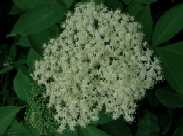 Si tratta di un arbusto che raggiunge una altezza di circa sei metri.
Spontaneo, si adatta con facilità a tutte le condizioni climatiche,
prediligendo le aree più umide. Le foglie sono composte [imparipennate
con 5-7 foglioline ellittiche con bordo dentato. Produce delle bacche
nere succose che trovano utilizzazione nella produzione di ottimi
sciroppi e marmellate dalle blande proprietà lassative. Le bacche
attirano numerosi uccelli, in particolare la capinera, che se ne nutre
voracemente consentendo la disseminazione della specie. Tutte le parti
della pianta hanno proprietà officinali, specialmente i fiori e le
foglie che vengono utilizzati come diuretici e anticatarrali.
Si tratta di un arbusto che raggiunge una altezza di circa sei metri.
Spontaneo, si adatta con facilità a tutte le condizioni climatiche,
prediligendo le aree più umide. Le foglie sono composte [imparipennate
con 5-7 foglioline ellittiche con bordo dentato. Produce delle bacche
nere succose che trovano utilizzazione nella produzione di ottimi
sciroppi e marmellate dalle blande proprietà lassative. Le bacche
attirano numerosi uccelli, in particolare la capinera, che se ne nutre
voracemente consentendo la disseminazione della specie. Tutte le parti
della pianta hanno proprietà officinali, specialmente i fiori e le
foglie che vengono utilizzati come diuretici e anticatarrali.
Betulla
II tronco alto e slanciato, i rami leggermele penduli e soprattutto la corteccia bianca, rendono facilmente riconoscibile questo albero, specialmente durante l’inverno. Nella nostra regione cresce spontaneamente, in esemplari isola-ti o in gruppetti, nei boschi radi delle colline moreniche e della pedemontana. Albero che predilige i terreni poveri, preferi-bilmente acidi, purché ben aerati e forniti d’acqua, nonostante l’aspet-to delicato e gentile, è una pian-ta tenace e molte resistente al fred-do. E’ molto esigente in fatto di luce. La corteccia di colore bianco è data dalla betulina, una sostanza che pro-tegge la pianta dalla brucatura degli animali, rendendola impermea-bile e impedendo la marcescenza. Le foglie sono sottili ed inserite in modo alterno sui rami, hanno una forma romboidale, con una punta ben evidente, sono doppiamente seghettate lungo i lati più lunghi e cadono in autunno, dopo aver as-sunto una colorazione giallo dorata. E’ una pianta monoica, porta cioè fiori unisessuali (maschili e femmi-nili) sullo stesso individuo. Le infiorescenze maschili sono raccol-te in gruppi di amenti penduli sver-nanti lunghi 3-6 cm. Le infiorescenze femminili sono poste all’ascella di corti rami e sono erette all’epoca della fioritura, che avviene tra aprile e maggio. I frutti maturano tra luglio e otto-bre e derivano dagli amenti femmi-nili; sono composti da numerosi e minuscoli acheni alati avvolti da squame.
Frassino Maggiore
Pianta della famiglia delle Oleaceae, nota anche con il nome di Frassino comune, è un albero di notevoli dimensioni (arriva fino a 40 m di altezza). Lo si trova in tutta la penisola italiana. Il tronco dritto e cilindrico, la corteccia dapprima liscia e olivastra, diventa successivamente grigio-brunastra con screpolature longitudinali. Le gemme sono vellutate e di colore nerastro. Le grandi foglie caduche composte sono formate da 9-11 paia di foglioline opposte e minutamente seghettate di colore verde cupo sulla parte superiore, più chiare su quella inferiore. I fiori ermafroditi, riuniti in infiorescenze ascellari a pannocchia di colore verdastro, sbocciano a marzo/aprile prima delle foglie, sono privi di calice e di corolla con stami brevissimi. I frutti sono samare con una testa allungata contenente il seme e un’ala stretta lanceolata.
Castagno
E’ un albero che predilige i suoli acidi e condizioni climatiche miti. E’ presente nelle zone collinari e submontane, dove costituisce uno dei principali componenti del bo-sco, mentre è del tutto assente nella pianura padana. Il tronco è dritto, ramificato in alto e a chioma espansa. La cor-teccia grigio-brunastra è liscia nei giovani esemplari e si ispessisce con il passare degli anni. E’ una pianta che può rag-giungere età e dimensioni notevoli. Nella nostra regione, in parti-colare nel Friuli orientale, vi sono esemplari imponenti e secolari. Le foglie del castagno sono ad inserzione alterna, di forma lanceo-lata, lunghe 10-20 cm, con margine seghettato dai denti appuntiti. Il castagno fiorisce in giugno, i fiori maschili sono riuniti in lunghi amenti di 10-20 cm alla cui base sono raggruppati due o tre fiori femminili, ricchi di polline e netta-re. Le castagne, in un numero variabile da 1 a 3, sono racchiuse in un riccio spinoso che si apre in autunno. Le castagne sono molto nutrienti, la loro composizione è simile a quella del frumento. Possiedono proprietà energetiche, rimineralizzanti, toni-che, antianemiche, stomachiche e antisettiche. Le castagne si possono consumare dopo averle arrostite, ed ecco le famose e saporite “caldarroste”, mentre le “ballotte” sono le castagne lesse nell’acqua ed aromatizzate con alcune foglie di alloro. Il castagno è stato colpito nell’ultimo secolo da due gravi malattie, il “mal d’inchiostro” provocato da un fungo parassita che attacca i tessuti del tronco, producendo il progressivo disseccamento della pianta e il “cancro della corteccia” anch’esso causato da un fungo che ha provocato una decimazione nei castagneti. La flora del sottobosco dei castagneti è composta da specie che amano i terreni silicei, troviamo infatti la felce aquilinia (Pteridium aquilinum) con le fronde molto sviluppate, la barba di capra (Aruncus dioicus) è una pianta molto evidente nel periodo della fioritura (giugno), grazie alle vistose infiorescenze bianche e la felce maschio (Dryopteris filix-mas) presente nei boschi più fitti.
Ciliegio a grappoli
Si tratta di una pianta non molto diffusa nelle regioni dell’Italia
settentrionale, dalla bassa pianura alla regione montana,
preferibilmente su suoli acidi ricchi di humus. Nel mese di maggio, le
vistose fioriture bianche del ciliegio a grappoli risaltano sul
fogliame color verde scuro ed emanano un’intensa fragranza di mandorla.
È uno spettacolo di grande bellezza che ne fa un arbusto dalle
apprezzate qualità ornamentali. I grappoli di frutti neri, di forma
sferica, attirano numerosi uccelli che se ne nutrono: sono soprattutto
merli, tordi, gazze, capinere, che in tal modo contribuiscono alla
disseminazione di questa specie. II legno, appena tagliato, emana un
odore sgradevole. Viene utilizzato come combustibile e per lavori di
intaglio e tornitura. Il “maraschiàt” (termine friulano) ha un
portamento di norma arbustivo, anche se può crescere fino a diventare
un albero slanciato che raggiunge l’altezza di circa 20 metri. Lungo la
valle del Cormôr, oltre a crescere isolato con alcuni esemplari, forma
generalmente delle siepi al margine dei boschi o ai bordi delle strade.
Robinia
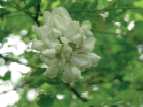 Si tratta di una delle specie arboree più diffuse sul nostro territorio ed abbondantemente presente anche nella valle del Cormôr.
Comunemente è conosciuta con il nome di acacia e appartiene alla famiglia delle leguminose. L’origine geografi ca di questa specie è stata individuata in Virginia, negli Stati Uniti, da dove venne prelevata ed introdotta in Europa nel 1601, prendendo il nome da Jean Robin, curatore dell’orto botanico di Enrico IV , re di Francia. L’uso iniziale di questo albero era legato a fi nalità ornamentali, per la splendida fi oritura in maggio-giugno con infi orescenze bianche a grappoli particolarmente profumate. Successivamente si è verifi ca una notevole diffusione spontanea, tanto che la pianta si è perfettamente naturalizzata negli ambienti di tutta Europa, dalla pianura fi no ai 1200 metri di altitudine. Il risultato di questo processo, durato tre secoli, è la costituzione di boschetti puri e non, siepi in associazione con altre specie arboree ed arbustive, fi no ad essere considerata infestante. Il motivo del successo del robinia deve essere ricercato in una elevata disseminazione spontanea e nella possibilità di propagarsi mediante stoloni, cioè nella capacità di emettere germogli striscianti che daranno, in seguito, vita ad altri individui. Altre caratteristiche che favoriscono questa specie nei confronti delle altre sono: la capacità, se tagliata alla base, di ricacciare immediatamente nuovi rami, detti polloni, dalle radici é la presenza di pericolose spine sui rami e sul tronco che costituiscono un ottima difesa nei confronti dei grossi erbivori. L’uomo utilizza la robinia per il consolidamento di terreni franosi, facendo affi damento al suo rapido accrescimento, e per il suo legno che trova un buon uso sia come combustibile, anche senza stagionatura, sia in falegnameria per la sua resistenza. La pianta è facilmente distinguibile se si ha l’accortezza di osservare le foglie che si presentano alterne. Si tratta di una pianta decidua, quindi in autunno le foglie cadono per ricrescere in primavera. Quando l’albero nei mesi primaverili è in fi ore, una miriade di insetti, tra cui in particolare le api, approfi ttano del nettare e del polline disponibile nelle corolle e fecondando la robinia, ottenendo in cambio la materia prima per la produzione del miele d’acacia. Questo tipo di miele, è uno tra i più pregiati in quanto non cristallizza nel tempo, è profumato ed è caratterizzato dal tipico colore chiaro.
Nocciolo
Specie arbustiva più diffusa tra quella presenti nelle siepi. Gradisce gli ambienti in mezza ombra, ma trova attecchimento su tutti i terreni, purché mediamente umidi. La foglia è cuoriforme con margine seghettato ed ha una dimensione di circa 8/10cm. I frutti, assai ricercati da scoiattoli, ghiandaie, picchi, ghiri e moscardini, sono le nocciole. La maturazione delle nocciole avviene in tarda estate e il loro consumo rientra nella produzione di torroni, gelati e dolci.
Biancospino
Questa specie è comune in tutte le siepi ed è particolarmente visibile durante la fioritura nei mesi di maggio-giugno, in cui si ricopre di fiori caratteristici dal colore bianco con una lieve nota rosata. Si tratta, anche in questo caso, di una specie perfettamente adattabile a tutti i terreni con una preferenza per quelli più assolati. Questa pianta arbustiva produce all’inizio dell’autunno dei frutti dal colore rosso, graditi da uccelli, lepri e topi.
Carpino bianco (Carpino betulus)
Chiamato anche Carpino comune è un albero poco longevo che può raggiungere un’altezza di 20/25 m, si presenta con una chioma folta ed espansa, molto ramificata. Il tronco è eretto a sezione irregolare, la corteccia è di colore grigio rossastra con rare fratture trasversali. Le foglie sono ovali, appuntite, dentate-seghettate, con nervature ben pronunciate; sono di colore verde lucido, più scure sopra e con una leggera peluria (specialmente nei mesi primaverili) sulla pagina inferiore. I fiori unisessuali sono raggruppati in amenti distinti e compaiono contemporaneamente alle foglie o poco prima. L’infiorescenza maschile è pendula e morbida, quella femminile più corta. E’ un albero che preferisce i terreni ricchi e ben umificati mentre rifugge quelli troppo compatti e torbosi. Il carpino bianco viene piantato a ceduo per le notevoli proprietà pollonanti e usato per alberature stradali.
Acero riccio
In Italia è presente nelle regioni centro-settentrionali. Viene usato per realizzare alberature per strade, giardini, parchi e anche come siepe frangivento. L’Acero riccio chiamato anche platanoide ha portamento arboreo con fusto diritto e una chioma a forma globosa; raggiunge altezze che variano dai 4 ai 20 metri circa. Le foglie sono palmate con apice appuntito e hanno la lamina lunga 10-15 cm, i piccioli e i lobi fogliari, se spezzati, emettono un liquido lattiginoso. Il colore delle foglie è un verde carico che in autunno vira al giallo intenso. I fiori riuniti in infiorescenze a corimbo, sono ermafroditi di colore giallastro; la fioritura inizia in aprile per protrarsi sino a maggio, i frutti sono samare doppie ad ala allungata. L’Acero platanoide per il colore decorativo delle foglie e del suo portamento, viene usato a scopo ornamentale. Vegeta bene in tutti i tipi di terreno con una predilezione per quelli umidi, con un buon tenore di argilla e profondi; non fa differenza per l’esposizione.
Acero di monte (Acer pseudoplatanus L.)
Questa varietà di acero è un albero che può raggiungere un’altezza di 30 m., si presenta con una chioma abbastanza densa, verde scura. Il tronco diritto è rivestito da una scorza sottile, grigiastra, inizialmente liscia quindi più o meno screpolata e fessurata. Le foglie decidue, opposte, hanno una lamina palmata a 3-5 lobi, con apici acuti e margini denticolati. La parte superiore è verde scura, opaca, segnata da un evidente nervi, quella inferiore, più chiara. I fiori, unisessuali sullo stesso individuo (specie monoica), sono riuniti in dense e strette pannocchie pendule; i maschili hanno un calice e una minuta corolla verdognola. Questo acero di origine europea, si distingue dalle altre specie dei nostri territori, per le nervature superiori della foglia molto evidenti, e la ricca seghettatura dei margini.
Il gelso
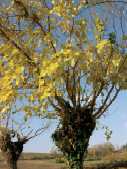 II”morâr” è uno degli alberi più caratteristici che si possono incontrare nelle campagne friulane. Con questo nome si intendono generalmente due specie arboree: il gelso nero ed il gelso bianco. Il primo è stato introdotto anticamente in Europa e produce dei frutti, le more, di colore rosso scuro; il gelso bianco si distingue da quello nero per la produzione di more di color bianco-rosato. Il luogo di origine di questa specie arborea è la Cina, da dove venne importato nel XII secolo, parallelamente all’allevamento del baco da seta. Nell’economia delle aziende agricole friulane, fino a pochi decenni or sono, l’allevamento dei “cavalîrs” ossia dei bachi da seta, era una importantissima voce economica, necessitava quindi disporre di una buona riserva di foglie di gelso. Per questo motivo normalmente gli alberi venivano piantati lungo le strade campestri e al confi ne delle proprietà, formando una delle caratteristiche più signifi cative del paesaggio agrario friulano. Al fi ne di ottenere la massima resa in termini di apparato fogliare, le piante subiscono ogni inverno una potatura dei getti annuali, cosicché il risultato è quello di creare quegli straordinari mostri arborei che sono i gelsi, caratterizzati da un tronco alto circa 2 metri, dal diametro che negli esemplari più vecchi può superare il metro, e dotati di una vistosa sommità da cui avviene il ricaccio annuale. Se non subisse questo trattamento drastico la pianta del gelso raggiungerebbe agevolmente i 10-15 metri di altezza con una vigorosa chioma sferica.
Prati
Nelle colline moreniche le formazioni boschive sono spesso alternate da frequenti radure, si tratta di superfici aperte utilizzate per la produzione di foraggio, derivate dal disboscamento e legate alle particolari condizioni del suolo. La vegetazione è principalmente costituita da erbe di varie specie che tutte insieme vengono a costituire un particolare ambiente che prende il nome di prato. Se l’uomo interviene in questo ambiente con operazioni di sfalcio e concimazione la presenza vegetale più significativa è data da una graminacea, l’avena altissima (Arrhenaiherum elatius) e da alcune leguminose come il trifoglio bianco (Trìfolium repens), il trifoglio dei prati (Trìfolium pratense), il ginestrino (Lotus corniculatus) e l’erba medica lupulina (Medicago lupulina). Tra le graminacee sono presenti anche l’erba mazzolina (Dactylis glomerata) e la codolina (Phleum pratense). Compaiono anche le numerose composite dalle fioriture colorate, come la margherita bianca (Leucanthemum vulgare), la pratolina (Bellis perennis), il dente di leone (Taraxacum officinale), l’achillea millefoglie (Achillea millefolium). Nelle radure, vicino ai bordi delle boscaglie, troviamo numerose specie a fioritura primaverile,come la primula (Primula vulgarìs), le viole (hirta, reichenbachiana, riviniana, alba, odorata) e l’anemone gialla (Anemone ranunculoides).


 Comune di Tavagnacco --- Assessorato all'Ambiente
 Občina Tolmin